
October 25-2023
News
10 Essential Tips for Creating a Construction Environmental Management Plan
Construction Environmental Management Plan
In today’s fast-paced construction world, where innovation and development are at their peak, intertwining one’s efforts with an environmentally responsible perspective cannot be overstated. As we hurtle forward in our quest for infrastructural marvels, we must do so without compromising the delicate ecological balance of our planet. Enter the construction environmental management plan (CEMP) – a blueprint to bridge the gap between construction endeavors and environmental preservation. This holistic strategy ensures that every step taken in the construction process not only aligns with but also augments the well-being of our environment.
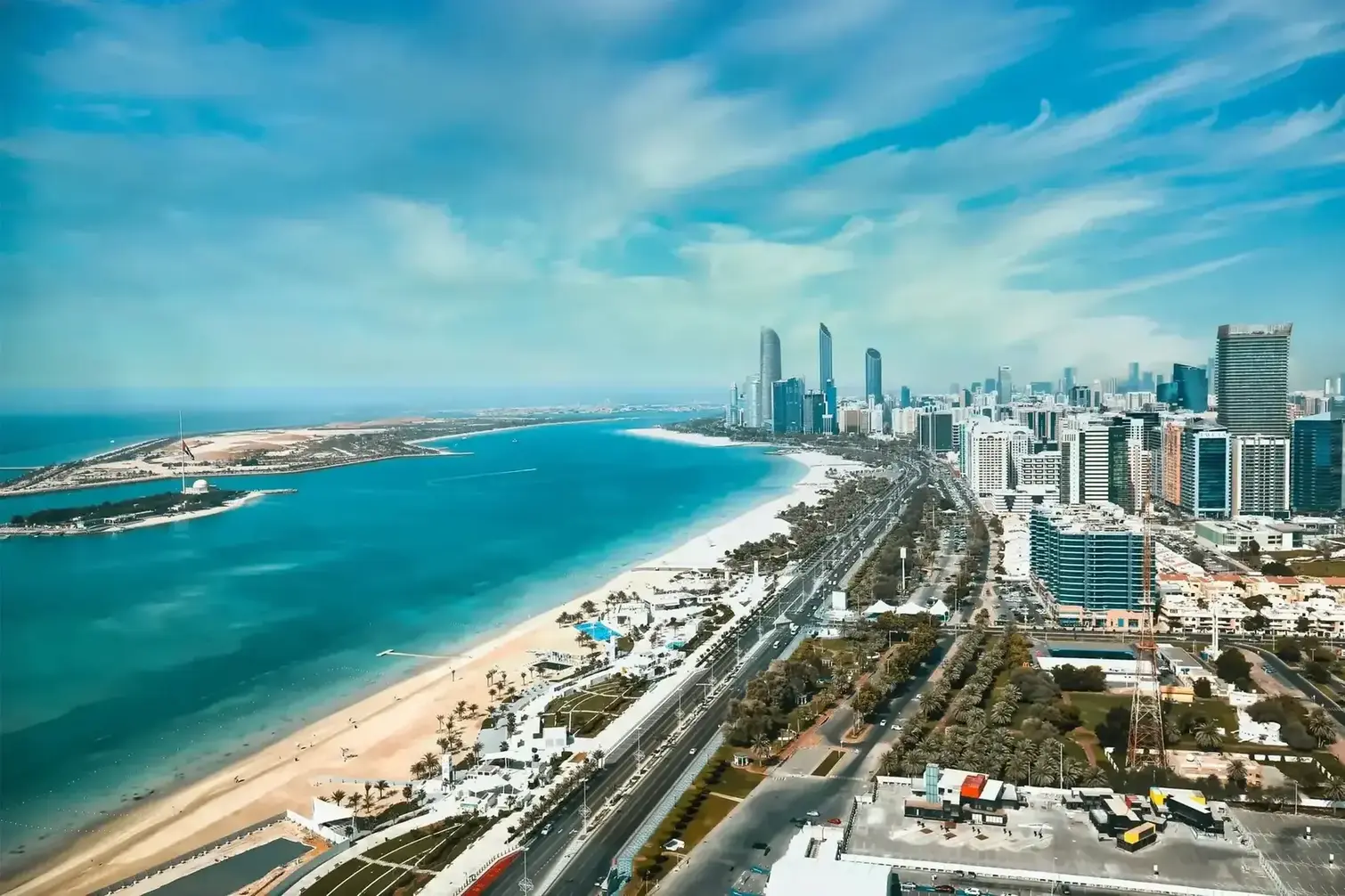
As a prime example, Abu Dhabi stands at the crossroads of monumental architectural growth and rich environmental heritage. The rapid rise in infrastructural developments in the region underscores the urgency for a well-defined CEMP. The emirate’s unique ecosystem, characterized by its desert landscapes, coastal areas, and urban sprawls, demands a meticulously crafted approach to ensure construction activities enhance rather than detract from its natural beauty.
So, as we stand at this pivotal intersection of development and preservation, we must equip ourselves with the proper knowledge and tools. Let’s delve into ten indispensable tips that can guide professionals and enthusiasts alike in devising a construction environmental management plan that is both comprehensive and effective.
A Sustainable Blueprint: Crafting an Effective Construction Environmental
The modern construction world, with its myriad technological advancements, still faces one timeless challenge: ensuring that its projects align harmoniously with the environment. A Construction Environmental Management Plan (CEMP) balances infrastructural growth and ecological preservation. Especially in regions like Abu Dhabi, with its unique environmental tapestry, creating a comprehensive CEMP is paramount. Let’s delve into a detailed exploration of the essential steps to shape an impactful CEMP.
1. Delving Deep into the Local Environmental Context
Every region has its environmental nuances. In places like Abu Dhabi, where the interplay between desert, sea, and urban sprawl is prominent, understanding this delicate balance is the first step. A CEMP should encapsulate knowledge of the local biodiversity, be tuned to the specific climate conditions, and factor in distinct ecological features that make the region unique.
2. Collaborate with Environmental Management Consultants
The labyrinth of environmental regulations and best practices can be intricate. By partnering with seasoned environmental management consultants, you tap into a reservoir of expertise that ensures the CEMP’s alignment with local regulations and international best practices.
3. Chart Out Explicit Environmental Objectives
A CEMP without clear objectives is like a ship without a compass. Whether it’s about curbing carbon footprints, optimizing resource utilization to minimize waste, or establishing protective measures for local flora and fauna, setting these objectives at the outset gives your construction endeavors a clear ecological direction.
4. Foresee and Assess Environmental Impacts
A proactive CEMP pre-empts the environmental repercussions of construction activities. By forecasting potential impacts—whether they pertain to air pollution, water contamination, acoustic disturbances, or ecosystem disruptions—you’re better equipped to mitigate them.
5. Design and Enforce Mitigation Protocols
Once the potential environmental impacts are identified, devising strategies to counteract them is the next logical step. Whether opting for green building materials or employing construction methodologies that tread lightly on the environment, each mitigative measure adds a layer of ecological responsibility to the project.
6. Instituting a Regimen of Monitoring and Reporting
Meticulous monitoring ensures that the CEMP isn’t just a document—it’s a living, breathing guideline. By routinely auditing environmental parameters and generating detailed reports, one can assess the real-world efficacy of the CEMP and pivot strategies as needed.
7. Foster Engagement with Stakeholders
A truly comprehensive CEMP thrives on collaboration. The plan becomes holistic by actively seeking the perspectives of local communities, environmental bodies, and other key stakeholders, addressing concerns, and integrating varied ecological insights.
8. Champion Training and Awareness Initiatives
Knowledge is most effective when disseminated. Regular training sessions ensure that every individual associated with the construction project—from the engineers to the ground laborers—becomes a custodian of the environment, aware of the CEMP’s guidelines and their role in its execution.
9. Uphold a Proactive Stance
Pioneering entities like the Royal Development Company (RDC) have showcased the power of anticipation in environmental management. Instead of merely reacting to ecological challenges, a proactive CEMP anticipates, prepares, and navigates them with finesse.
10. Ensure Dynamic Evolution of the CEMP
As the construction landscape evolves, so should the CEMP. Keeping it updated ensures it remains responsive to the ever-shifting ecological challenges and opportunities that arise as the construction project progresses.
The Comprehensive Nature of a CEMP
The Construction Environmental Management Plan (CEMP) serves as more than just a checklist for construction entities—it embodies a project’s core values and commitment to environmental stewardship. From understanding the unique ecological intricacies of a region to regularly updating the plan in response to real-time developments, each step of the CEMP creation process adds layers of depth and diligence to a project. It manifests a company’s dedication to infrastructural excellence and the broader ideal of sustainable growth. By prioritizing a CEMP’s creation and implementation, businesses can navigate the complex interplay between development and environmental conservation, ensuring they move forward with a vision that respects both.
REAM MORE....
Explore the world of Real Estate Investment Management in Abu Dhabi and stay updated with the latest news in the real estate industry. Your gateway to informed decisions and prosperous investments. Read more for insights that shape the future of property management."
Feel free to let me know if you need any adjustments
FAQ
What is a Construction Environmental Management Plan (CEMP)?
A CEMP is a strategic blueprint that harmonizes construction projects with environmental preservation efforts, ensuring sustainable development without compromising the ecological balance.
Why is a CEMP crucial in regions like Abu Dhabi?
Abu Dhabi's unique environmental tapestry, featuring desert landscapes, coastal areas, and urban sprawls, demands a meticulously crafted CEMP to ensure construction activities enhance rather than detract from its natural beauty.
What are the key steps in crafting an effective CEMP?
Essential steps include understanding the local environmental context, collaborating with environmental management consultants, setting explicit environmental objectives, forecasting and assessing environmental impacts, and implementing mitigation protocols.
How does a proactive CEMP differ from a reactive approach?
A proactive CEMP anticipates and navigates environmental challenges with finesse, as opposed to reacting to issues. It involves regular monitoring, reporting, and dynamic evolution to stay responsive to evolving ecological challenges.
Why is collaboration with stakeholders emphasized in CEMP development?
Collaboration with local communities, environmental bodies, and other stakeholders ensures a holistic CEMP by addressing concerns, integrating varied ecological insights, and fostering a sense of collective responsibility.
What role does training play in CEMP implementation?
Regular training sessions ensure that everyone involved in the construction project, from engineers to laborers, becomes a custodian of the environment, aware of the CEMP's guidelines and their role in its execution.
Why is the dynamic evolution of the CEMP important?
Keeping the CEMP updated ensures it remains responsive to the ever-shifting ecological challenges and opportunities that arise as the construction project progresses, reflecting a commitment to continuous improvement and environmental stewardship.
In Conclusion
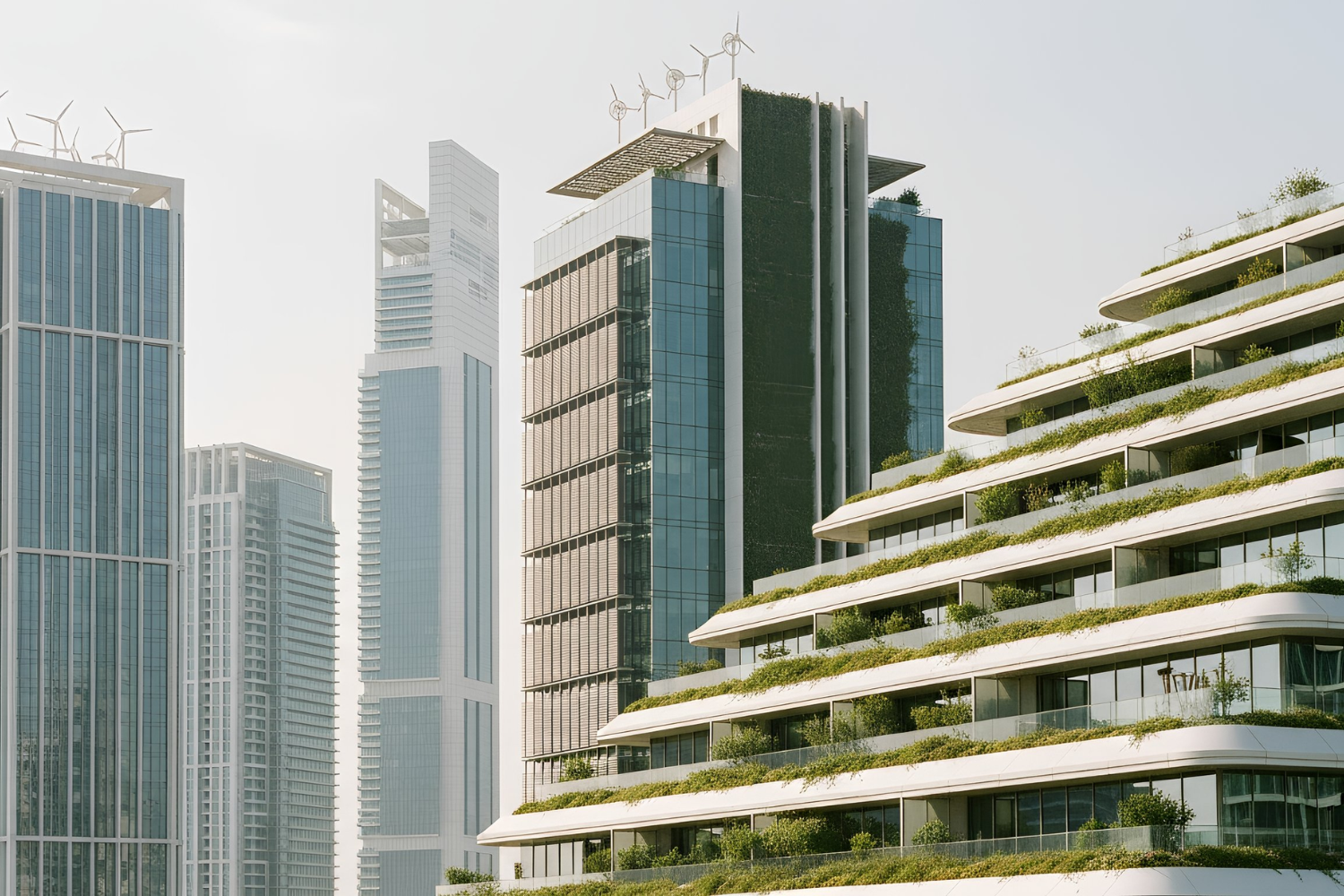
In the bustling nexus of development and innovation that defines regions like Abu Dhabi, the equation of growth is undergoing a transformative shift. Here, where shimmering skyscrapers rise against desert horizons, a meticulous environmental management plan construction is not just a formality—it’s a testament to the industry’s evolving ethos. Pioneers like the Royal Development Company (RDC) lead this evolution, seamlessly blending construction aspirations with environmental stewardship.
Such companies underscore that it’s not just about erecting structures but about laying the foundation for a future where urban expansion coexists with ecological integrity. Their endeavors illustrate that sustainable construction isn’t a compromise but an enhancement, offering long-term benefits not only to the environment but also in terms of cost efficiency, stakeholder satisfaction, and community well-being.
Furthermore, as global awareness about climate change and environmental degradation intensifies, stakeholders, from investors to clients, gravitate towards businesses that embed ecological considerations into their core strategies. As a result, having a robust environmental management strategy isn’t just about ticking regulatory boxes; it’s about futureproofing one’s enterprise.
In the grand scheme of construction, it’s becoming increasingly evident that the future belongs to those who view development through a green lens. As the momentum in the industry gathers pace, integrating environmental concerns will undeniably be the cornerstone of successful but resilient and esteemed construction projects.
LASTEST NEWS
-
-
-
-
-

-
-
-

-

-

-
-
-

-

-

-

-

Effective Strategies for Successful Real Estate Development Projects
September 03-2025 -
What to Look for When Selecting Property Developers in Abu Dhabi
September 11-2025 -

Solving Data Management Issues with Effective Real Estate CRM Systems
September 17-2025 -
Risk Mitigation Techniques for Property Investments in Dubai
September 26-2025 -

The Building Blocks of a Thriving Property Development Company
October 21-2025 -

-
-
-

When Your Real Estate CRM Isn't Delivering_ Troubleshooting Guide
November 13-2025 -

What Property Valuations Tell You About Market Direction in Dubai
November 19-2025 -
Construction Delays in Development Projects_ Prevention and Response
November 21-2025 -

Budgeting Errors That Derail Property Development Projects
November 26-2025 -
Spotting Opportunity Zones in the Changing UAE Real Estate Market
November 27-2025 -
How to Respond When Investment Returns Don't Meet Expectations
November 28-2025 -

How Asset Depreciation Affects Your Property Portfolio Performance
December 16-2025 -

Smart Technology Integration Barriers in Modern Dubai Properties
December 17-2025 -

Managing Seasonal Occupancy Fluctuations in UAE Properties
December 22-2025 -
Solving Project Timeline Delays in Dubai Development Ventures
December 29-2025 -
Ways to Improve Building Energy Efficiency in Abu Dhabi Properties
December 30-2025 -

Scaling Property Management Operations Without Service Quality Loss
December 31-2025