
December 17-2025
News
Smart Technology Integration Barriers in Modern Dubai Properties
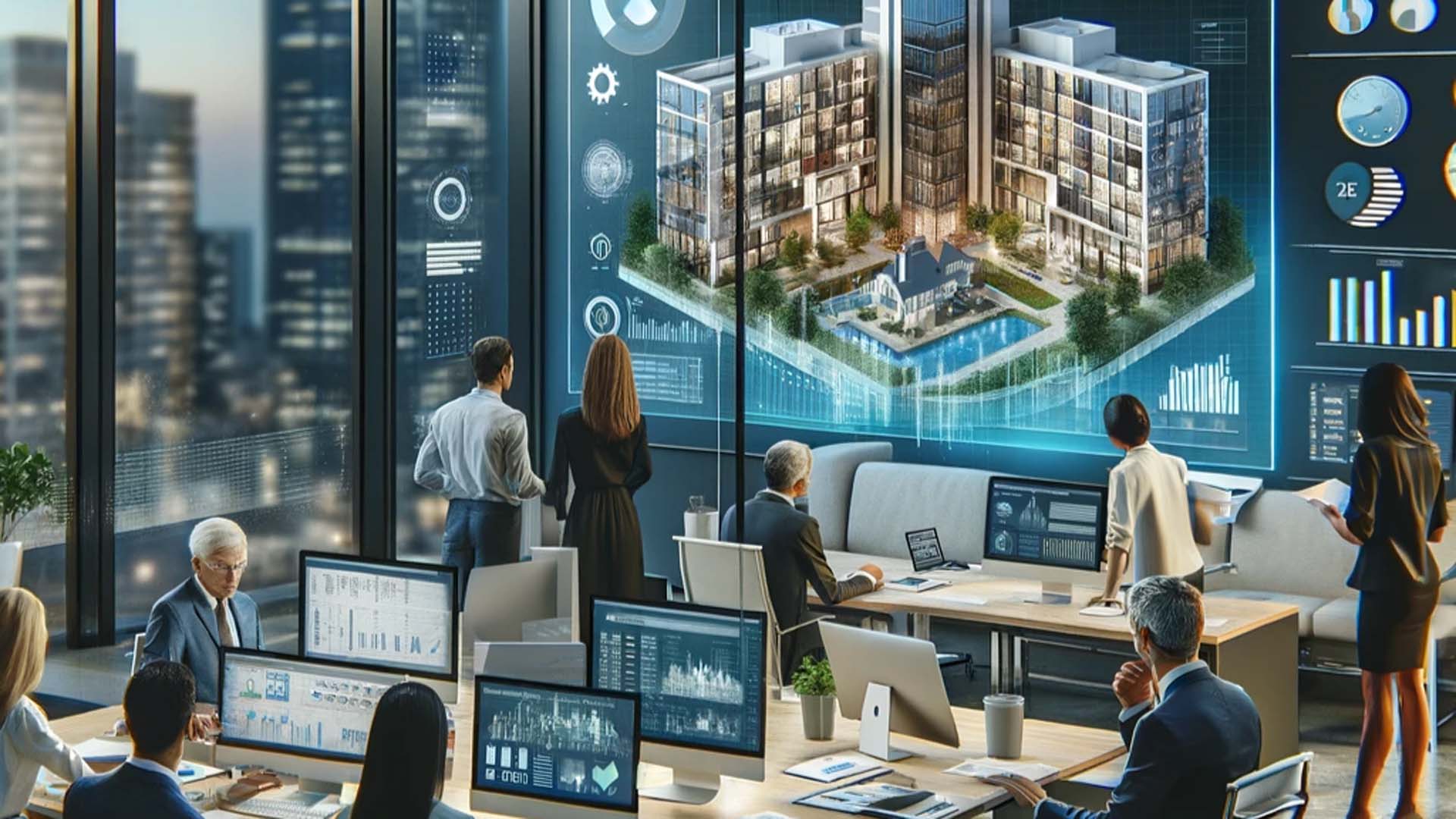
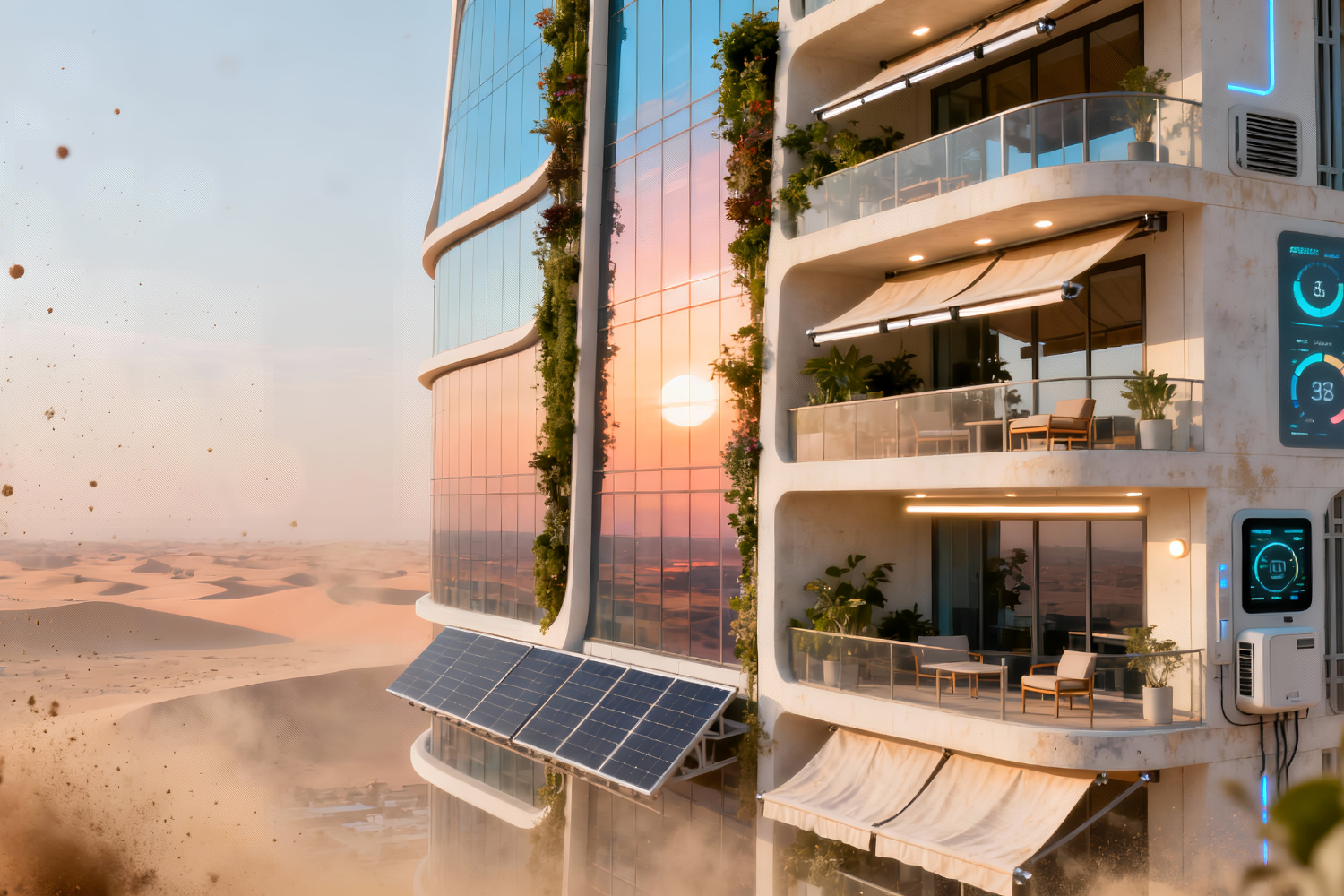
Smart home systems, automated lighting, remote security access, and AI-powered climate control are no longer optional luxuries—they are increasingly expected in high-end developments. Property buyers in Dubai’s luxury real estate sector seek more than elegant finishes; they want intelligent, connected homes. As a result, developers face growing pressure to deliver modern living experiences through smart technology.
However, integrating smart systems isn’t always seamless. Several challenges—from budget constraints to technical limitations—can slow progress. This article explores these barriers and highlights what developers and property owners in Dubai must navigate to create smarter spaces.
Common Barriers to Smart Technology Integration
Despite the appeal, implementing smart upgrades comes with several hurdles. In Dubai’s luxury market, cost remains a primary concern. Upfront investment in advanced systems—such as energy management or sophisticated surveillance—can strain tight project budgets. Not all developers are ready to commit to these expenses.
Compatibility with existing infrastructure is another challenge. Many buildings have legacy wiring, in-ceiling speakers, or alarm systems that aren’t designed to connect with modern devices. Retrofitting adds time, expense, and complexity.
Data security is also critical:
- Residents expect their personal information to remain private.
- High-net-worth buyers demand strong digital privacy protections.
- Property managers must anticipate cyber threats.
- Shared networks can create vulnerabilities if systems aren’t properly secured.
For smart technology to succeed, developers must address these issues. It’s not just about installing devices; it’s about creating convenient, safe, and future-ready homes.
Technical Challenges Add Layers of Complexity
Smart property setups often combine lighting, HVAC, security, access control, media, and even elevators. These systems may come from different vendors and use incompatible protocols. Without smooth integration, both developers and users face complications.
Maintenance and updates are ongoing concerns. Technology evolves rapidly—what was cutting-edge two years ago may already be outdated. Keeping systems updated requires regular software and firmware maintenance, plus technical support for failures.
The limited availability of specialists familiar with connected systems adds another layer of difficulty. In Dubai, high expectations mean that finding skilled professionals locally can be challenging, leading to delays, added costs, or suboptimal performance. Early collaboration and careful planning are essential to overcome these obstacles.
Regulatory and Market Pressures Influence Decision-Making
Developers must also consider compliance and market readiness. Local building codes and digital infrastructure standards change periodically, sometimes requiring design revisions mid-project.
Market demand is another factor. While smart features are increasingly common, some buyers hesitate to pay for technology they may not use or that may become obsolete. Investor expectations for short-term returns can make it difficult to justify smart upgrades that provide long-term benefits.
A realistic understanding of market trends is crucial. Even if buyers aren’t demanding fully automated homes today, their expectations will likely evolve. Planning ahead avoids costly retrofits in the future.
How to Make Smart Integration Work More Smoothly?
Smart technology is here to stay, and developers can improve integration outcomes by adopting strategic approaches:
- Plan early: Map out system integration at the project’s start to avoid costly revisions.
- Use compatible platforms: Open-source or fully compatible systems ease connectivity between different devices and brands.
- Implement in stages: Phased rollouts help manage budgets and test system performance.
- Choose future-proof solutions: Select systems that can evolve and update over time.
- Partner with experts: Specialists familiar with Dubai’s codes and infrastructure can prevent mistakes that lead to delays.
A thoughtful approach ensures that smart features enhance value, tenant satisfaction, and long-term sustainability rather than being mere gimmicks.
Smart Decisions Pay Off in the Long Run
Dubai’s luxury real estate market is evolving rapidly, with technology at its core. Buyers and tenants increasingly expect homes that simplify and enhance daily life. Smart developments succeed not by following trends but by addressing real challenges with the right tools, expertise, and planning.
Developers who proactively navigate these barriers can stand out, offering secure, efficient, and well-integrated living spaces that retain value and attract discerning residents. In doing so, smart technology becomes a differentiator, creating homes that truly enhance the lifestyle of their occupants.
Bringing smarter design into your next project is easier when you're working with the right expertise. If you're looking to elevate your approach to luxury real estate development in Dubai, Royal Development Company provides the support and solutions you need to build properties that are both functional and future-ready.
LASTEST NEWS
-
-
-
-
-
-
-
-

-

-

-

-
-
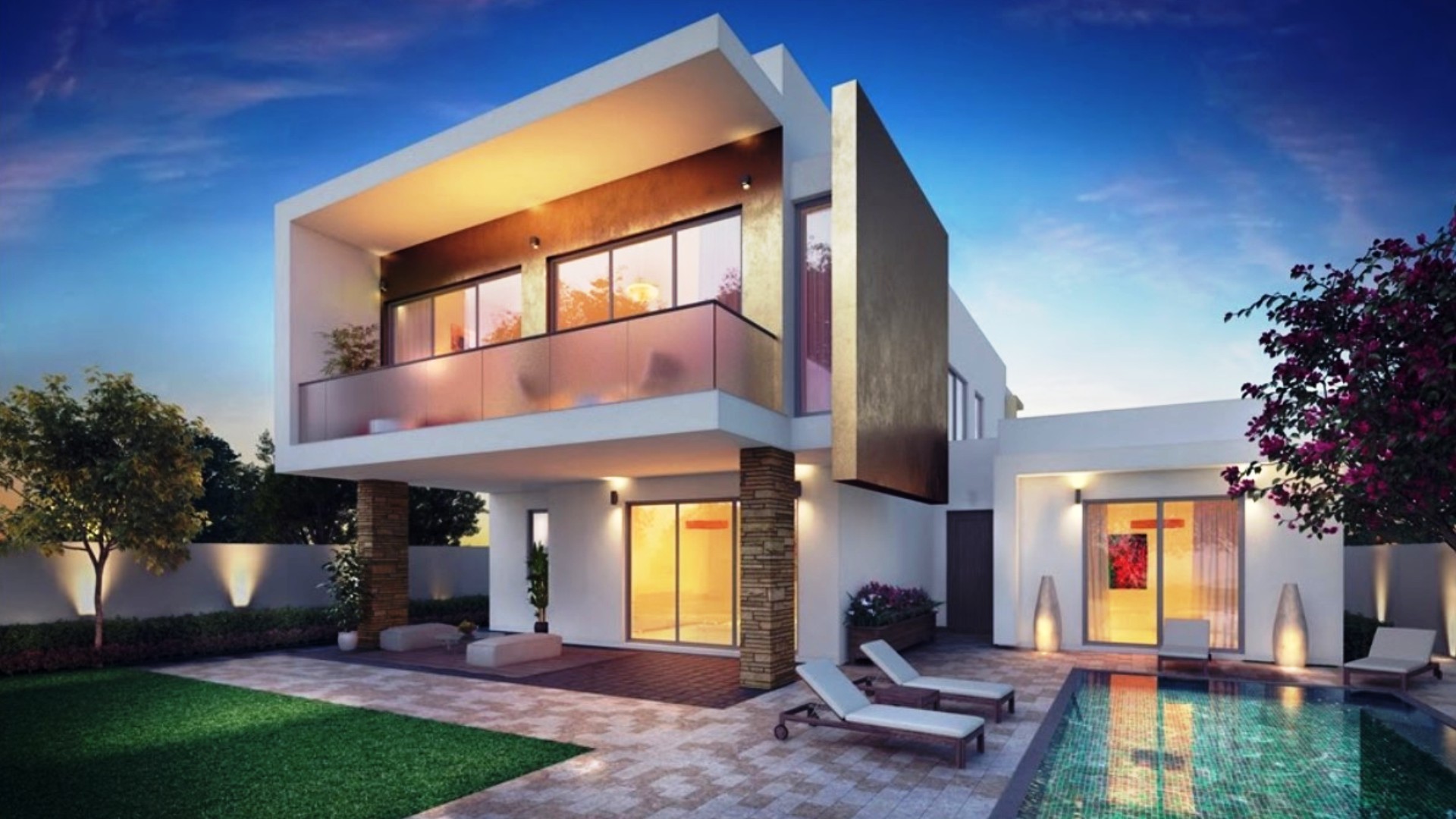
-

-

-

-
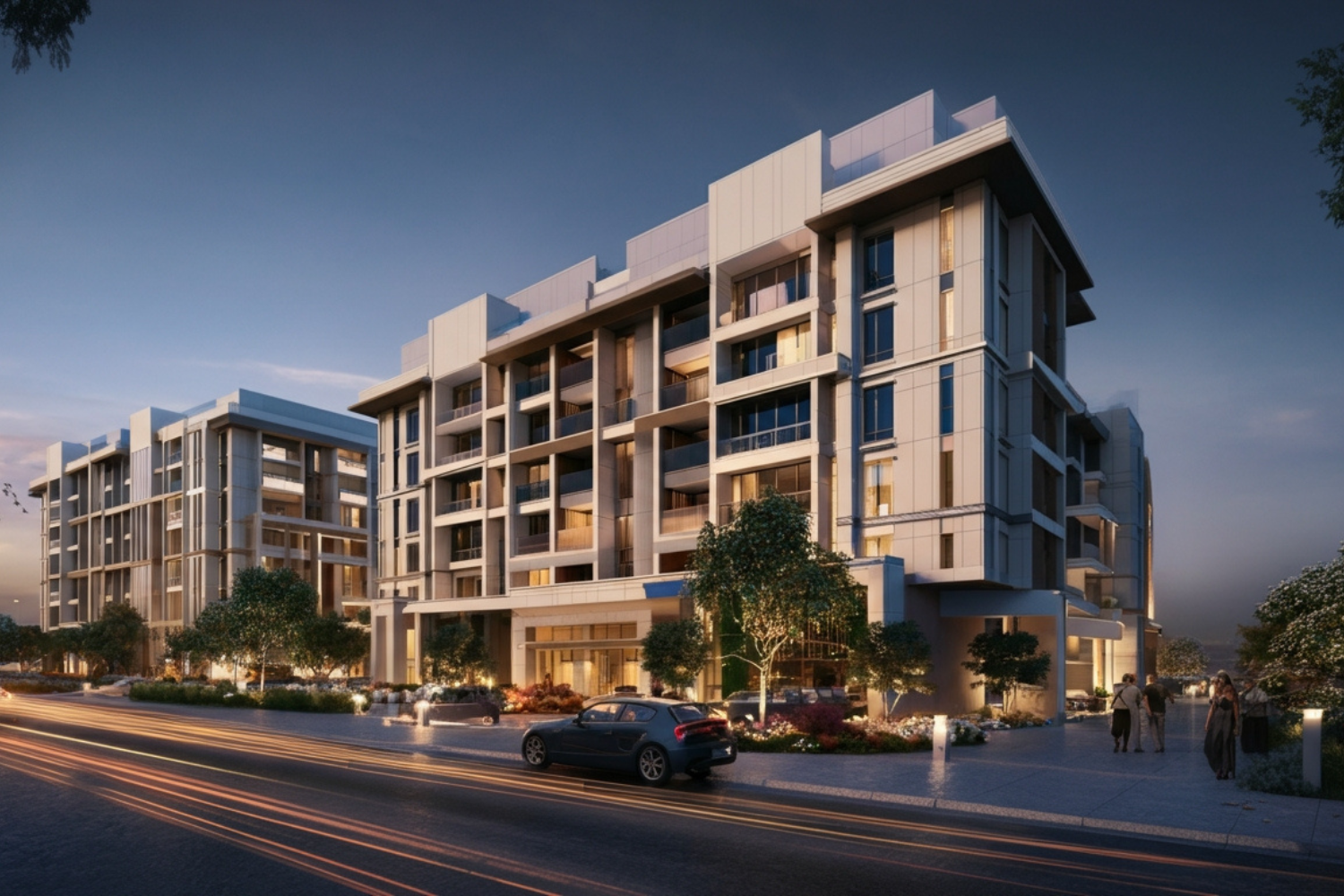
Effective Strategies for Successful Real Estate Development Projects
September 03-2025 -
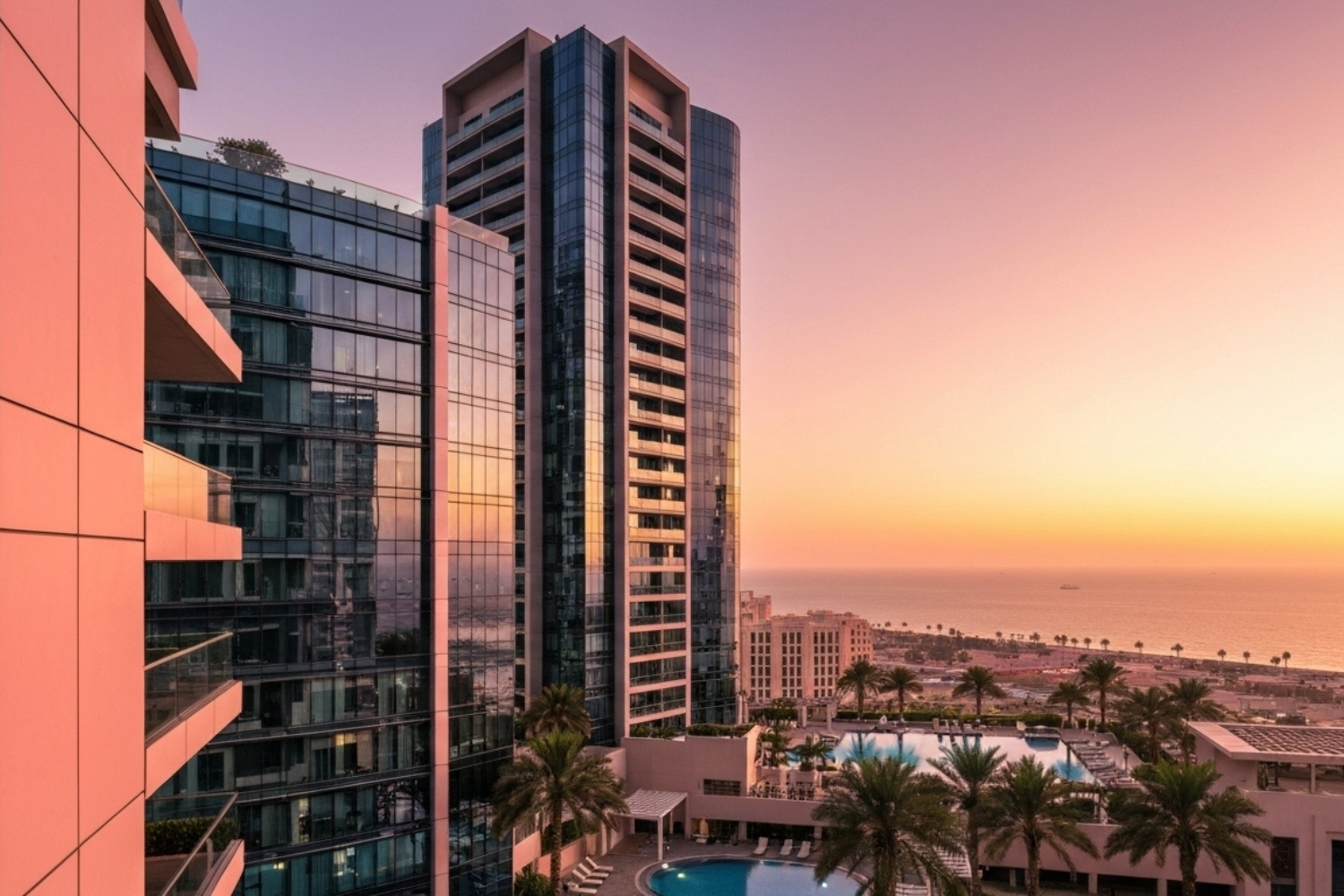
What to Look for When Selecting Property Developers in Abu Dhabi
September 11-2025 -
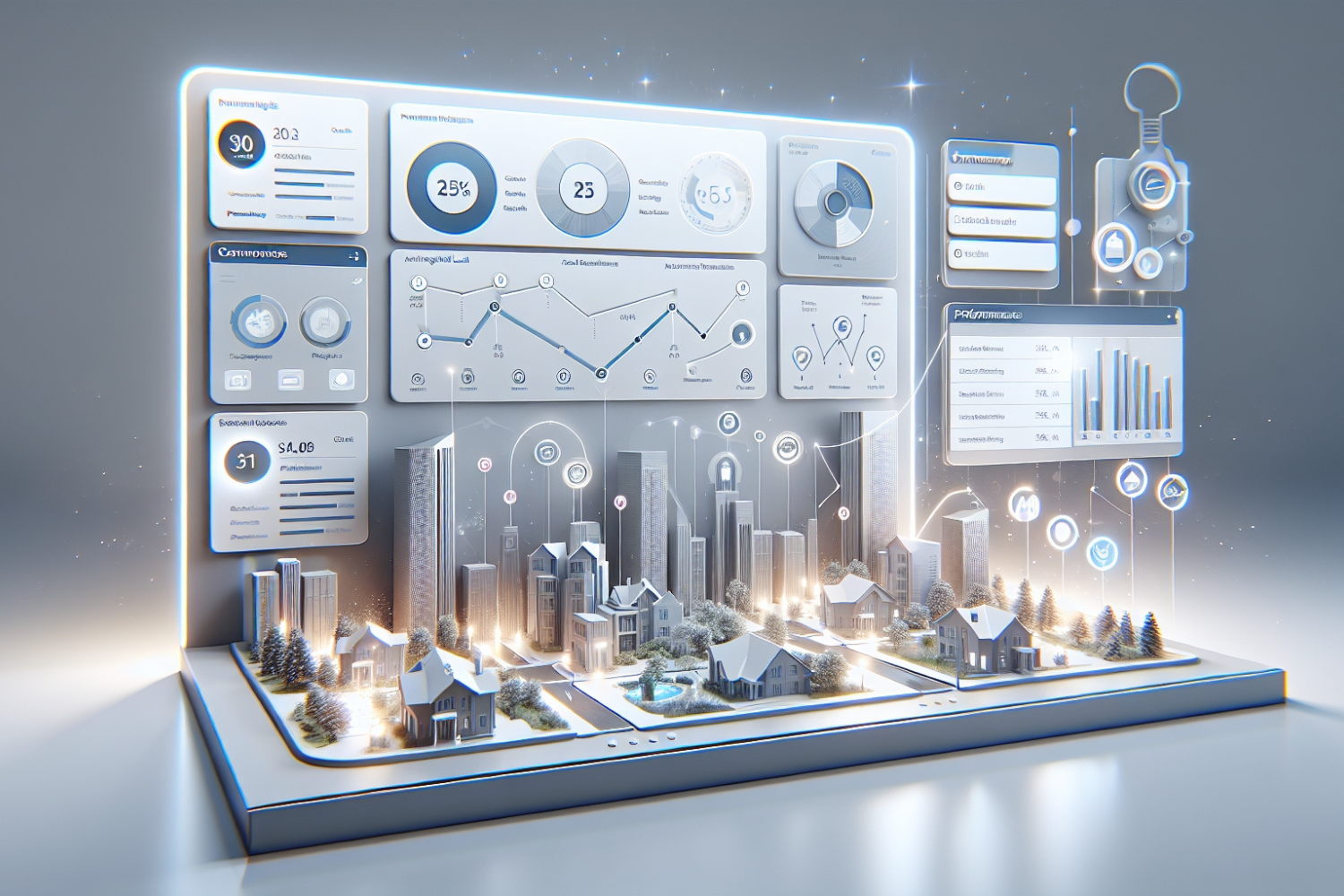
Solving Data Management Issues with Effective Real Estate CRM Systems
September 17-2025 -

Risk Mitigation Techniques for Property Investments in Dubai
September 26-2025 -

The Building Blocks of a Thriving Property Development Company
October 21-2025 -
-
-
-

When Your Real Estate CRM Isn't Delivering_ Troubleshooting Guide
November 13-2025 -

What Property Valuations Tell You About Market Direction in Dubai
November 19-2025 -
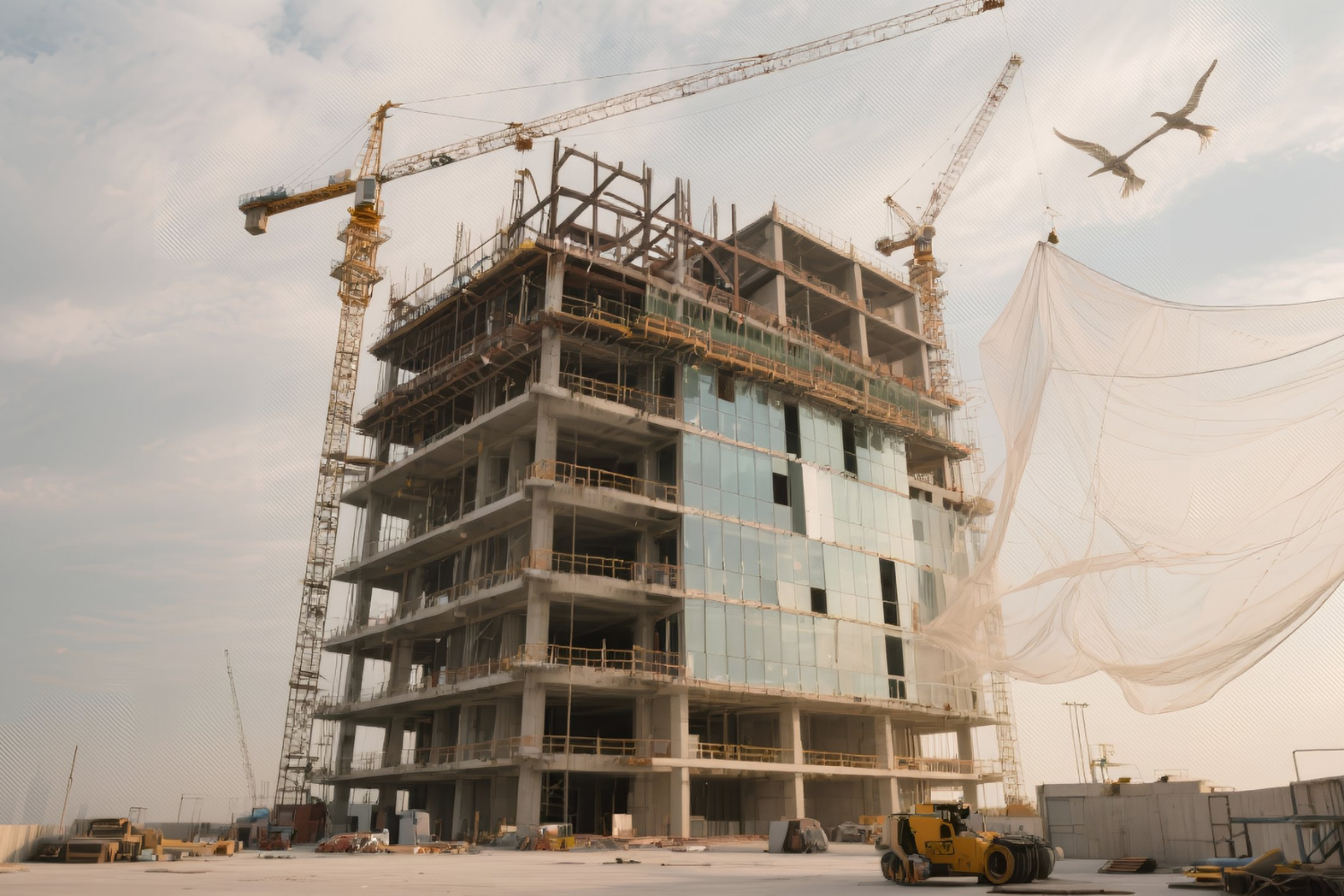
Construction Delays in Development Projects_ Prevention and Response
November 21-2025 -

Budgeting Errors That Derail Property Development Projects
November 26-2025 -
Spotting Opportunity Zones in the Changing UAE Real Estate Market
November 27-2025 -
How to Respond When Investment Returns Don't Meet Expectations
November 28-2025 -

How Asset Depreciation Affects Your Property Portfolio Performance
December 16-2025 -
Smart Technology Integration Barriers in Modern Dubai Properties
December 17-2025 -

Managing Seasonal Occupancy Fluctuations in UAE Properties
December 22-2025 -
Solving Project Timeline Delays in Dubai Development Ventures
December 29-2025 -
Ways to Improve Building Energy Efficiency in Abu Dhabi Properties
December 30-2025 -

Scaling Property Management Operations Without Service Quality Loss
December 31-2025